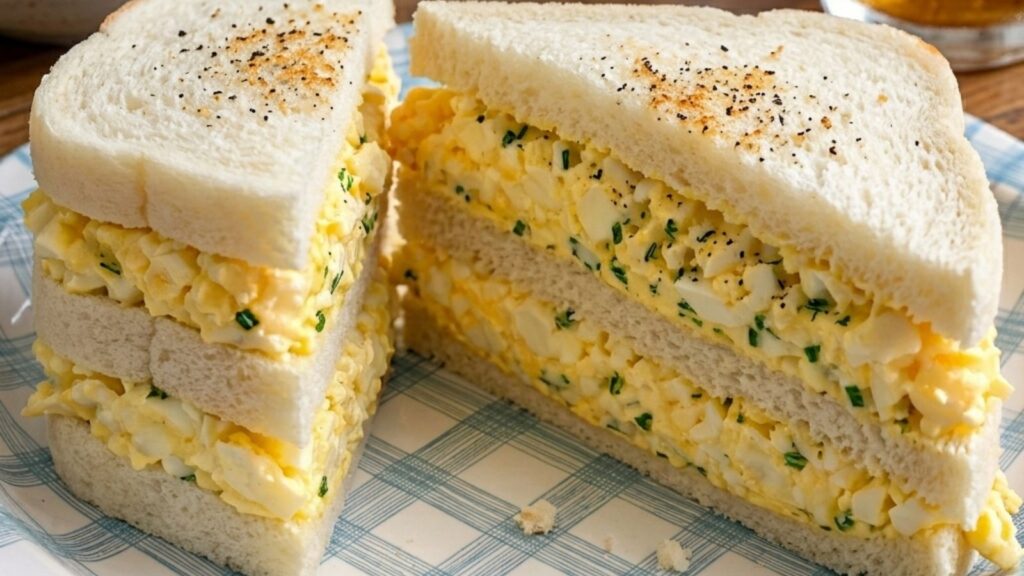
The Japanese Egg Sandwich That Broke the Internet (Tamago Sando)

We’ll send it straight to your inbox, along with weekly dinner inspiration!

Hardly any viral recipe has genuinely easy steps and a genuinely short ingredient list. This one is the exception. The Japanese 7-Eleven egg sandwich, aka the tamago sando, has become one of the most talked-about convenience store foods on the planet, and it deserves every bit of that reputation.

I have heard about people eating copious amounts of these on their trips to Japan, stopping into a konbini first thing in the morning and last thing at night, loyalty sworn to whichever chain (7-Eleven, FamilyMart, or Lawson) happened to be closest to where they were staying. And when you make one at home and take the first bite, you immediately understand exactly what all of it is about.

What makes it different?

How The Conbini Sandwich Conquered the World

What makes the tamago sando different from a standard egg salad sandwich comes down to three things. 

First, the bread: soft, pillowy Japanese milk bread (shokupan) with the crusts completely removed, leaving nothing but the yielding, slightly sweet interior. 

Second, the mayo: Kewpie, Japan’s most beloved condiment, which is richer, more umami-forward, and creamier than any Western mayo on the market. 

Third, the texture: the egg filling is not chunky and rough like a Western egg salad. It is smooth, almost mousse-like, whipped or blitzed until it is light and fluffy and barely holds its shape.

Even people who “don’t like eggs” find themselves eating two of them. The egg flavor is present but refined, clean, rich, and deeply satisfying in a way that is difficult to explain before you have tried it and completely obvious once you have.
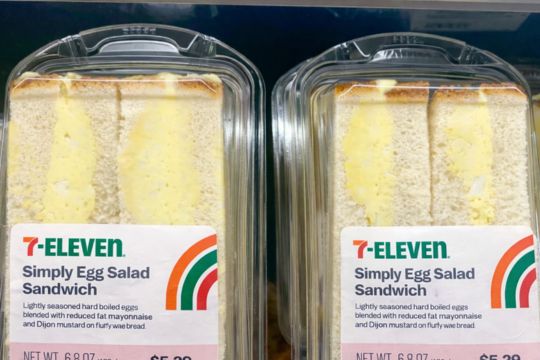
7 Eleven egg sandwich
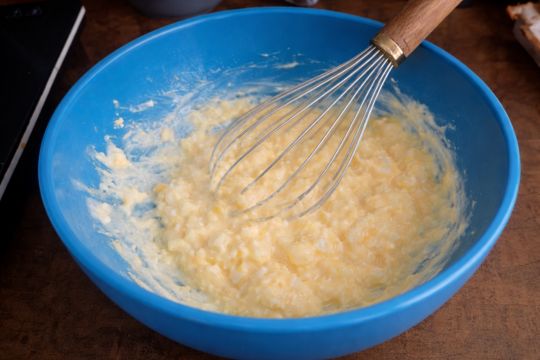
Egg sandwich batter in a bowl.

The Secret Ingredient:

Kewpie Mayo

Regular mayonnaise is made with whole eggs. Kewpie is made with only egg yolks. That single difference gives it a deeper yellow color, a richer flavor, and a creamier, slightly thicker consistency that coats rather than just moistens. It also contains a small amount of MSG in the Japanese version, which is the source of its characteristic umami depth that no other mayo quite replicates.

The version of Kewpie sold in the US uses yeast extract instead of MSG, which gets you part of the way there but not all the way. If you can find a bottle that was made in Japan rather than the American-market version, it is worth seeking out. Most East Asian grocery stores stock it, and it is available online. The bottle has a red flip-top cap and a distinctive baby logo. You will know it immediately.

If Kewpie is genuinely unavailable, regular, good-quality mayonnaise works. The sandwich will still be delicious. Add a very small pinch of sugar and a small drop of rice vinegar to bring it slightly closer to the Kewpie flavor profile, and do not use a low-fat version… the fat is the entire point.

What Goes With a Tamago Sando

The tamago sando is best eaten the moment it is made, when the bread is still fresh, and the contrast between the cold filling and the room-temperature bread is at its most pleasant. 

Hot coffee or a canned Georgia café au laitCold green tea or royal milk tea
A small packet of potato chips on the sideA cup of miso soup for something more substantial
A ramune or yuzu soda if you want to lean into the themeA small cucumber salad dressed with rice vinegar and sesame

Here's How to Make The Japanese 7 Eleven Egg Sandwich (Tamago Sando)

Fluffy milk bread · Kewpie mayo · Creamy egg filling · No cooking skill required Makes 2 sandwiches · Scales up easily

PREP

10 min

COOK

12 min

TOTAL

25 min

SERVINGS

2

INGREDIENTS

4 large eggs, the freshest you can find (brighter yolks mean a better-tasting filling.)
3 tbsp Kewpie mayonnaise (Japanese mayo)
1 tbsp whole milk or heavy cream
½ tsp sugar
¼ tsp white pepper (use white, not black, since the flavor is cleaner here)
A pinch of fine sea salt, to taste
½ tsp Dijon mustard (optional but recommended)
4 slices of Japanese milk bread (shokupan) or the softest white bread you can find
1 tbsp of salted butter, softened (for spreading on the bread)

INSTRUCTIONS

Place the eggs in a small saucepan and cover with cold water. Bring to a boil over medium-high heat. The moment the water reaches a full boil, set a timer for exactly 10 minutes.
While the eggs cook, prepare an ice bath, a bowl filled with cold water and a generous amount of ice cubes. When the timer goes off, transfer the eggs immediately to the ice bath and leave them for at least 10 minutes. Once completely cold, peel the eggs carefully.
Separate the egg yolks from the whites. Place the yolks in a bowl and mash them thoroughly with a fork until smooth and paste-like. Finely dice the egg whites into small, even pieces. Add the Kewpie mayo, milk or cream, sugar, white pepper, salt, and Dijon mustard to the yolk mixture and stir until completely smooth. Then fold in the diced egg whites.
For the authentic Japanese conbini texture — light, almost mousse-like and cloud-soft — blitz the entire mixture briefly in a food processor or with a stick blender. Just a few pulses are enough. The filling should look pale, creamy, and just slightly fluffy.
Lay out all four slices of bread. Spread a thin, even layer of softened salted butter across every slice, going right to the edges. This step adds flavor, prevents sogginess, and gives the sandwich its signature sheen.
Spoon the thick egg filling onto two buttered slices, spreading it to within 1 cm of the edges. Top with the remaining slices, buttered-side down, and press gently to seal without squeezing out the filling.
Using a sharp knife, cut each sandwich in half in one clean, firm motion. Do not saw back and forth, or you will compress the bread. Cut straight down and through.
The classic presentation is a diagonal cut to reveal the creamy yellow filling. Serve immediately, or wrap tightly in cling film and refrigerate for up to 4 hours. The sandwich is also excellent cold, straight from the fridge.

NOTES

Shokupan, Japanese milk bread, is what makes the tamago sando unmistakable. It is sweeter, milkier, and significantly softer than standard white bread, with a tight, bouncy crumb that holds the filling without compressing. It is sold at most Japanese or East Asian bakeries and many Asian grocery stores.

Tips & Variations

My personal favorite way to eat it is to tuck a piece of famichicki, FamilyMart’s legendary fried chicken, into the middle of the sandwich. The hot, crispy chicken against the cold, creamy egg filling is genuinely one of the best things you can do to a sandwich. 
Brioche is the best substitute if you cannot find Shokupan bread. Standard soft sandwich bread also works well.
The one non-negotiable: remove all the crusts before assembling.
If you are making these for lunch at home, a cold cucumber salad dressed simply with rice vinegar, a little sugar, and a few sesame seeds alongside is a genuinely good combination; the acidity and freshness cut through the richness of the egg filling in the same way a pickle would cut through a Western egg sandwich.

Leave a Comment

Your email address will not be published. Required fields are marked *

Scroll to Top