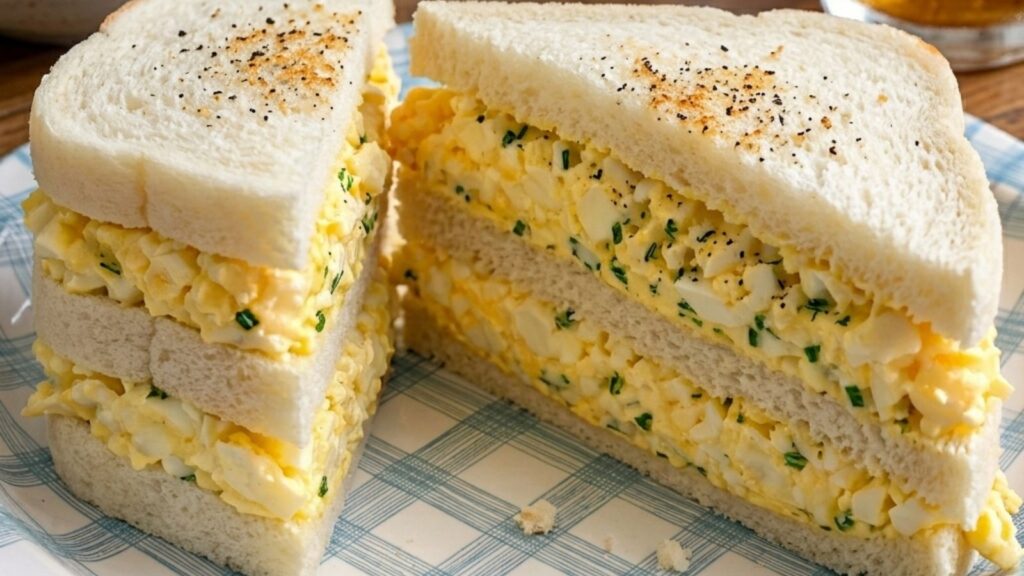
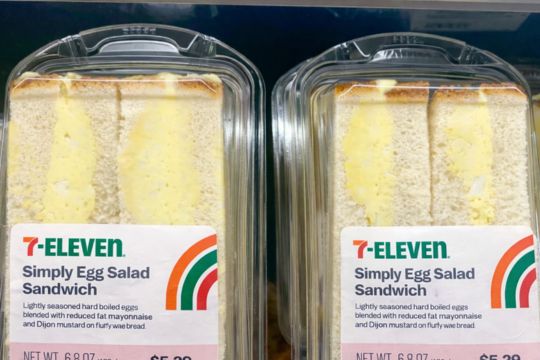
Hardly any viral recipe has genuinely easy steps and a genuinely short ingredient list. This one is the exception. The Japanese 7-Eleven egg sandwich, aka the tamago sando, has become one of the most talked-about convenience store foods on the planet, and it deserves every bit of that reputation.
I have heard about people eating copious amounts of these on their trips to Japan, stopping into a konbini first thing in the morning and last thing at night, loyalty sworn to whichever chain (7-Eleven, FamilyMart, or Lawson) happened to be closest to where they were staying. And when you make one at home and take the first bite, you immediately understand exactly what all of it is about.
What makes it different?
How The Conbini Sandwich Conquered the World
What makes the tamago sando different from a standard egg salad sandwich comes down to three things.
First, the bread: soft, pillowy Japanese milk bread (shokupan) with the crusts completely removed, leaving nothing but the yielding, slightly sweet interior.
Second, the mayo: Kewpie, Japan’s most beloved condiment, which is richer, more umami-forward, and creamier than any Western mayo on the market.
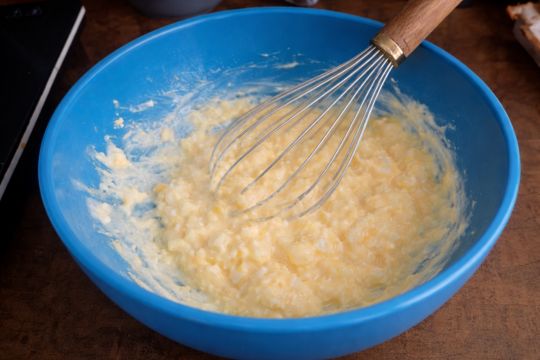
Third, the texture: the egg filling is not chunky and rough like a Western egg salad. It is smooth, almost mousse-like, whipped or blitzed until it is light and fluffy and barely holds its shape.
Even people who “don’t like eggs” find themselves eating two of them. The egg flavor is present but refined, clean, rich, and deeply satisfying in a way that is difficult to explain before you have tried it and completely obvious once you have.
The Secret Ingredient:
Kewpie Mayo
Regular mayonnaise is made with whole eggs. Kewpie is made with only egg yolks. That single difference gives it a deeper yellow color, a richer flavor, and a creamier, slightly thicker consistency that coats rather than just moistens. It also contains a small amount of MSG in the Japanese version, which is the source of its characteristic umami depth that no other mayo quite replicates.
The version of Kewpie sold in the US uses yeast extract instead of MSG, which gets you part of the way there but not all the way. If you can find a bottle that was made in Japan rather than the American-market version, it is worth seeking out. Most East Asian grocery stores stock it, and it is available online. The bottle has a red flip-top cap and a distinctive baby logo. You will know it immediately.
If Kewpie is genuinely unavailable, regular, good-quality mayonnaise works. The sandwich will still be delicious. Add a very small pinch of sugar and a small drop of rice vinegar to bring it slightly closer to the Kewpie flavor profile, and do not use a low-fat version… the fat is the entire point.
What Goes With a Tamago Sando
The tamago sando is best eaten the moment it is made, when the bread is still fresh, and the contrast between the cold filling and the room-temperature bread is at its most pleasant.
| Hot coffee or a canned Georgia café au lait | Cold green tea or royal milk tea |
| A small packet of potato chips on the side | A cup of miso soup for something more substantial |
| A ramune or yuzu soda if you want to lean into the theme | A small cucumber salad dressed with rice vinegar and sesame |